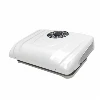
A car refrigerator is a practical solution for keeping food, beverages, and other temperature-sensitive items cold while traveling. Whether it is installed in a truck, RV, SUV, or other vehicle, regular maintenance can make a noticeable difference in cooling performance, electrical safety, and service life.
Unlike a household refrigerator that usually operates in a relatively stable environment, a vehicle refrigerator has to deal with vibration, dust, changing ambient temperatures, and frequent power fluctuations. That is why simple but consistent maintenance should not be overlooked.
For drivers and fleet operators, maintaining a car refrigerator does not require complicated tools or professional skills. In most cases, a routine inspection, proper cleaning, and correct storage are enough to keep the unit ready for the next trip.
1. Inspect The Refrigerator Regularly

Regular inspection is the first step in maintaining a reliable vehicle refrigerator.
A good practice is to check the refrigerator approximately once a month during regular use. The inspection does not need to be complicated. Pay attention to whether the unit is cooling normally, whether the compressor or fan is producing unusual noise, and whether the door or lid still closes securely.
Check Cooling Performance
If the refrigerator takes noticeably longer than usual to reach the desired temperature, its cooling performance may have changed. A gradual decline in cooling efficiency can sometimes be related to blocked ventilation, excessive dust, poor heat dissipation, or other operating conditions.
It is also useful to observe whether the refrigerator can maintain a stable temperature after reaching the set point. Frequent temperature fluctuations may indicate that the unit needs inspection.
Listen For Unusual Noise
A certain amount of operating noise is normal, particularly when the compressor starts or stops. However, rattling, grinding, or suddenly louder-than-normal sounds should not be ignored.
Because a vehicle refrigerator is exposed to road vibration, loose components or damaged parts can sometimes become more noticeable over time.
Inspect Cables And Electrical Connections
The power cable is one of the most important components to check. Look for cuts, exposed wires, cracked insulation, loose connections, or signs of overheating.
The same applies to plugs, connectors, control panels, and other visible electrical components. If any electrical component is damaged, disconnect the refrigerator from the power supply and have the problem properly repaired before continuing to use it.
For vehicle-mounted equipment, electrical safety is especially important because the refrigerator may be connected directly to a vehicle battery or auxiliary power system.
2. Keep The Car Refrigerator Clean

Cleaning is another simple maintenance step that can have a significant impact on everyday use.
Food residue, spilled drinks, moisture, and dust can accumulate inside and around a refrigerator over time. Keeping the interior clean not only improves hygiene but also helps prevent unpleasant odors and buildup around the door seal.
Before cleaning, disconnect the refrigerator from its power source.
Clean The Interior
Use a mild, neutral detergent and a soft cloth to clean the interior surfaces. Avoid abrasive cleaners, rough brushes, or sharp objects that could scratch or damage the refrigerator.
After cleaning with detergent, wipe the interior again with a clean, damp cloth to remove any remaining residue. The refrigerator should then be dried thoroughly before it is powered on again.
Clean The Door Seal
The sealing strip around the door or lid deserves particular attention. Dirt and food particles can accumulate in the sealing area and prevent the door from closing properly.
Wipe the seal gently with clean water and a soft cloth. Make sure the entire sealing surface is clean and free of debris.
A clean, undamaged seal helps the refrigerator maintain its internal temperature without unnecessary cooling cycles.
Clean The Exterior And Ventilation Area
The outside of the refrigerator should also be wiped regularly. Dust around ventilation openings can restrict airflow and make heat dissipation more difficult.
Do not spray water or cleaning products directly onto electrical components, control panels, ventilation openings, or connectors. Instead, apply an appropriate cleaner to a soft cloth and wipe the surface carefully.
After cleaning, use a clean damp cloth to wipe away any remaining detergent, then allow the refrigerator to dry completely.
3. Store The Refrigerator Properly During Long Periods Of Non-Use

A car refrigerator that is not going to be used for an extended period should not simply be switched off and left inside the vehicle.
Long-term storage requires a few additional steps to prevent moisture, odors, dirt, and unnecessary wear.
First, remove all food and beverages from the refrigerator. Clean the interior, exterior, and sealing strip using the method described above.
Once cleaning is complete, leave the refrigerator open in a dry and shaded area until all moisture has evaporated. Storing the unit while it is still damp can contribute to unpleasant odors and other problems during long-term storage.
After the refrigerator is completely dry, place it back in its original packaging if available. The packaging can help protect the unit from dust, accidental impacts, and other external damage.
The storage location should be cool, dry, and well ventilated. Avoid leaving the refrigerator in areas exposed to excessive heat, direct sunlight, rain, or high humidity.
When the refrigerator is needed again, inspect the power cable, connectors, housing, and sealing strip before reconnecting it to the vehicle's power system.
4. Avoid Common Maintenance Mistakes
Proper maintenance is not only about what you should do. It is also about knowing what to avoid.
Some common mistakes can unnecessarily shorten the service life of a vehicle refrigerator:
- Do not use sharp tools to remove ice or stubborn residue.
- Do not use abrasive cleaners on the interior or sealing strip.
- Do not immerse the refrigerator or its electrical components in water.
- Do not continue operating the unit if the power cable is visibly damaged.
- Do not block the ventilation area during operation.
- Do not store the refrigerator while the interior is still wet.
- Do not leave food inside the refrigerator during long-term storage.

These precautions are particularly important for refrigerators used in trucks and RVs, where vibration, temperature changes, and limited installation space can create additional operating challenges.
5. Maintenance Is Part Of Choosing The Right Car Refrigerator
Maintenance can keep a refrigerator in good condition, but the design and construction of the refrigerator itself also matter.
For frequent travelers, truck drivers, RV owners, and fleet operators, a 12V/24V car refrigerator should be selected according to the vehicle's power system, available installation space, expected operating environment, and cooling requirements.
A practical design should also make routine cleaning and inspection straightforward. Easy access to the refrigerator compartment, durable external components, reliable electrical connections, and effective heat dissipation can all contribute to easier long-term operation.
As a manufacturer of vehicle climate and refrigeration solutions, DONJELION focuses on practical products designed for mobile applications. For users who depend on refrigeration during long-distance travel or commercial vehicle operation, product reliability is only one part of the equation; proper installation, daily operation, and regular maintenance are equally important.
How Often Should A Car Refrigerator Be Maintained?
For a refrigerator that is used regularly, a simple inspection about once every month is a reasonable starting point. Cleaning should be performed whenever spills or food residue occur rather than waiting for a fixed schedule.
If the refrigerator will not be used for several weeks or months, clean and completely dry it before storage. Before putting it back into service, inspect the electrical connections, exterior condition, door seal, and cooling performance.
The exact maintenance frequency can vary depending on how often the refrigerator is used and the environment in which it operates. A unit used every day in a truck may require more frequent cleaning and inspection than one used occasionally for weekend travel.
Final Thoughts
A car refrigerator is designed to make life on the road more convenient, but reliable performance depends on more than simply connecting it to a power source and setting the temperature.
Regular inspection helps identify potential problems early. Proper cleaning keeps the refrigerator hygienic and protects the sealing area. Careful long-term storage helps prevent unnecessary deterioration when the unit is not being used.
For drivers, RV owners, and commercial vehicle operators, these maintenance habits take very little time but can help keep a vehicle refrigerator operating reliably for longer.
With the right refrigerator, proper installation, and consistent maintenance, keeping food and drinks cold on the road can remain simple and dependable.