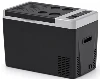
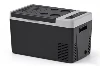
Road trips are about far more than reaching your destination - the whole travelling experience matters. It explains why countless motorists fit their vehicles with practical onboard appliances, with car refrigerators standing among the most sought‑after upgrades. Whether you are heading out on cross‑country overlanding, weekend camping trips, or simply need to keep groceries chilled on your commute home, a well‑chosen car fridge drastically elevates your time behind the wheel.
That said, car refrigerators operate very differently from standard household fridges. Users need to account for safety protocols, real‑world performance limits and routine upkeep. This practical guide covers proven best practices to run your car refrigerator properly, so you get cold beverages and fresh food without frustrating avoidable issues.
Optimal Placement For Your Car Fridge
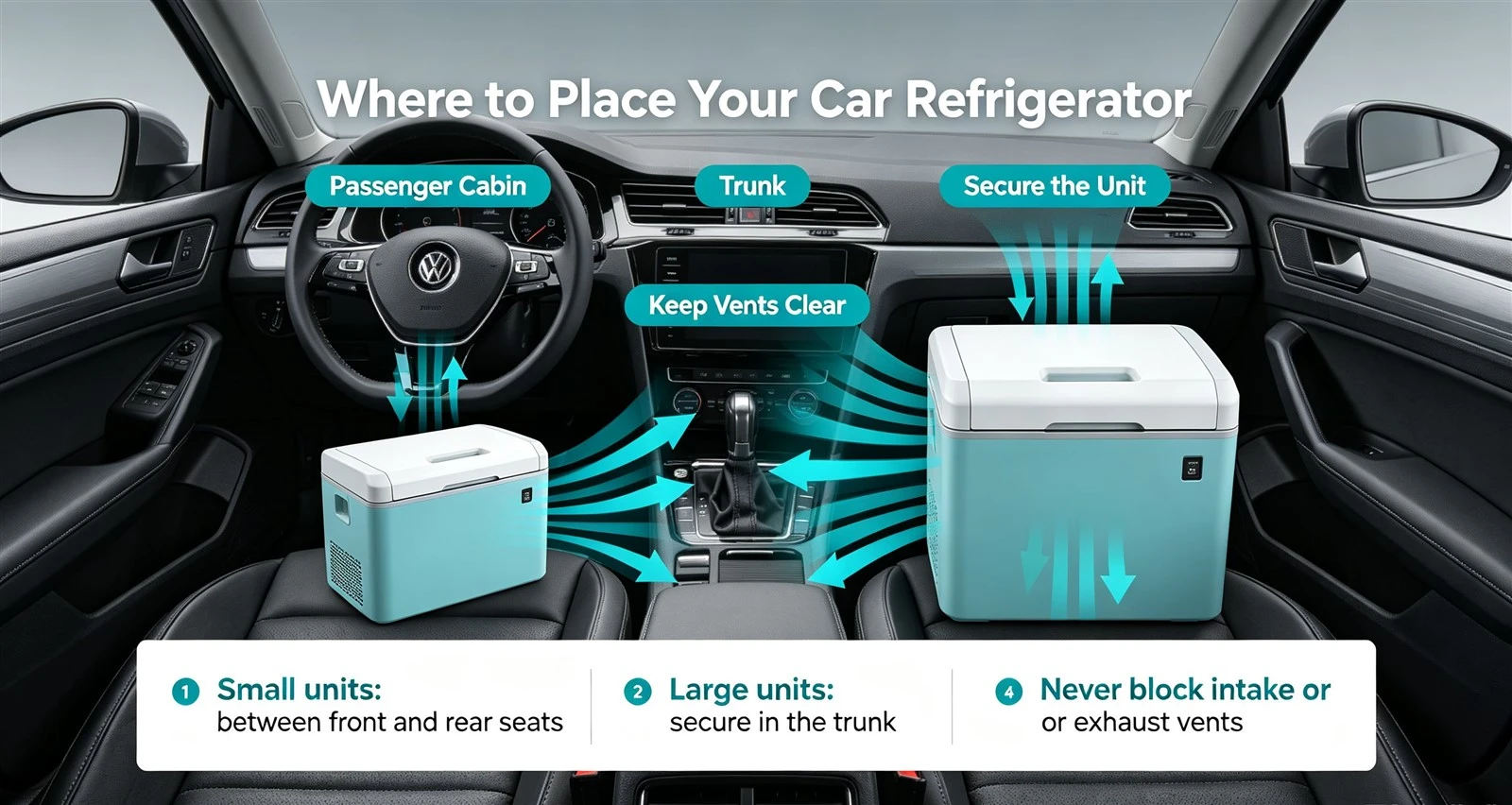
Placement is frequently overlooked yet highly important. Unlike soft luggage or shopping bags, car refrigerators draw electric power. Poor positioning restricts airflow, triggers overheating, and creates preventable safety hazards.
- Compact car refrigerators: The gap between passenger seat and rear seats works great. This spot keeps the unit within easy reach and holds it steady during vehicle movement.
- Larger‑capacity units: The trunk is generally the preferred location. Always secure the fridge firmly to stop shifting or tipping during hard braking and sharp cornering.
No matter where you mount the unit, never block intake and exhaust vents. Unobstructed air circulation is non‑negotiable for stable cooling performance and long‑term reliability.
Pre‑Chill Contents To Boost Cooling Performance

A quick, high‑impact trick to maximise fridge output is pre‑chilling or pre‑freezing food and drinks prior to loading them inside. Loading already‑cooled goods cuts down the initial cooling workload. The unit can hit and hold target temperatures faster while drawing less power.
Take time to understand your model's minimum cooling capability. Specifications vary across product lines. Knowing real‑world temperature limits sets realistic expectations, especially when storing perishables including meat, dairy or temperature‑sensitive medication.
Battery Management: Guard Against Draining Your Vehicle Battery

Battery protection ranks as the single most critical consideration for car fridge operators. If your model lacks built‑in low‑voltage protection, manually power the fridge down once you shut off the engine. If left running, it will continuously draw current from the vehicle battery and may leave you unable to start your car.
Units fitted with low‑voltage protection automatically cut power once battery voltage drops to a safe preset threshold, preserving enough charge for engine ignition. This key safety feature comes standard across all DONJELION car refrigerators, removing guesswork and giving drivers complete peace of mind on every outing.
Practical Operating Guidelines: Extend Fridge Service Life
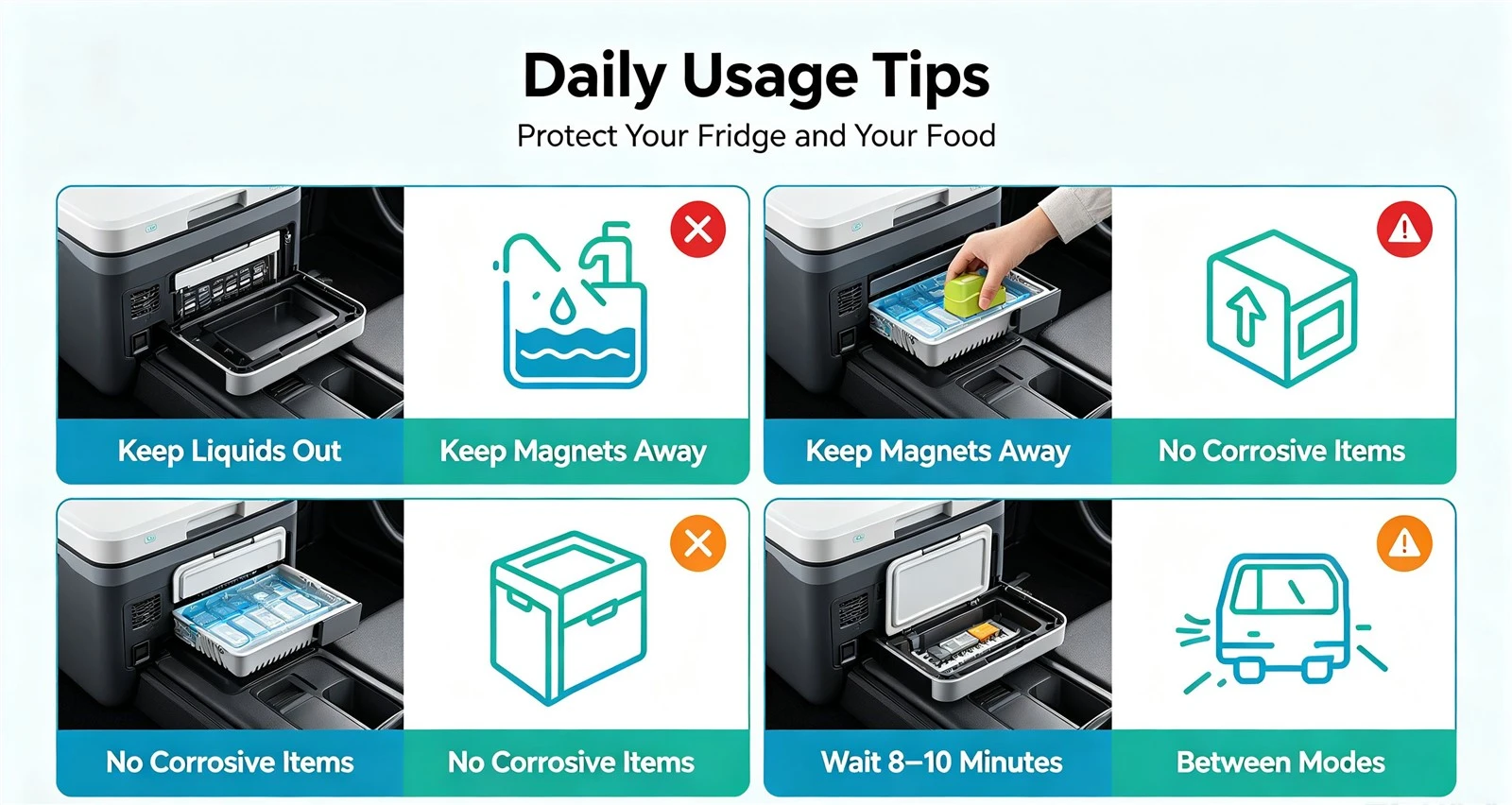
Follow these straightforward do‑and‑don't rules to keep your car refrigerator performing reliably year after year:
- Keep liquids out of air intakes: Water and spills entering ventilation openings can trigger short‑circuits and permanently damage internal cooling hardware.
- Keep magnetic items away from the inner compartment: Magnetic exposure disrupts semiconductor cooling chips, leading to reduced efficiency or unexpected unit failure.
- Skip corrosive substances inside the cabinet: Acidic agents and corrosive chemicals will gradually erode the inner liner and should never be stored within the fridge cavity.
- Allow a short pause between mode changes: When switching between cooling and freezing modes, cut power and wait 8‑10 minutes. This buffer shields semiconductor and compressor components from abrupt electrical stress.
How Long Does Cooling Last Once Power Is Disconnected?
This is one of the most frequent questions car fridge buyers ask. Post‑power‑off cold retention depends on multiple interacting factors rather than the fridge alone:
- Insulation foam density and door‑seal integrity of the unit itself.
- Contents volume and material type: High‑specific‑heat items such as bottled water retain cold far better than an empty cabinet. Sensible loading extends hold‑time.
- Ambient surrounding temperature: Hot summer conditions shorten passive cooling retention compared with cooler outdoor environments.
- Door opening behaviour: Every time you open the lid, cold air escapes while warm ambient air flows in. After power loss, minimise door openings and keep each access brief to preserve internal cold.

All DONJELION car refrigerators utilise high‑density insulation foam and heavy‑duty sealing gaskets, delivering dependable passive cold retention even during extended engine‑off periods.
Invest In Quality For Worry‑Free Travel
A car refrigerator is more than a travel convenience; it safeguards food quality and boosts overall trip comfort. Adhere to proper placement, operating habits and maintenance tips to unlock full product performance and steer clear of common user mistakes.
Weekend adventurers and daily commuters alike benefit greatly from a well‑engineered unit. DONJELION builds durable, power‑conscious car refrigerators engineered around real‑world driver demands. From integrated low‑voltage battery defence to premium thermal sealing, every design detail caters to life on the move.
Stay chilled, keep provisions fresh and enjoy every mile with DONJELION.
Got questions on car‑fridge selection or day‑to‑day operation? Browse our product catalogue or get in touch with our support team - we are ready to assist.